

Global Trade & Export Insights

By Sudarshan
Global Trade & Export Insights
Global trade continues to evolve as businesses expand into international markets, adopt digital processes, and navigate increasingly complex regulatory requirements. For exporters and importers, understanding trade procedures, documentation, compliance, and financial processes is essential for building sustainable cross-border operations.
Understanding Global Trade
Global trade enables businesses to buy and sell products and services across international borders. It connects manufacturers, suppliers, exporters, importers, financial institutions, logistics providers, and regulatory authorities.
Successful international trade requires more than simply shipping goods from one country to another. Businesses must manage documentation, customs requirements, foreign exchange regulations, banking processes, payments, and compliance obligations throughout the transaction lifecycle.
Key Elements of Export Operations
A well-managed export process generally involves several important stages:
- Identifying international markets and customers
- Preparing commercial and shipping documentation
- Managing export orders and invoices
- Coordinating logistics and shipment processes
- Completing customs and regulatory requirements
- Receiving export payments through authorized banking channels
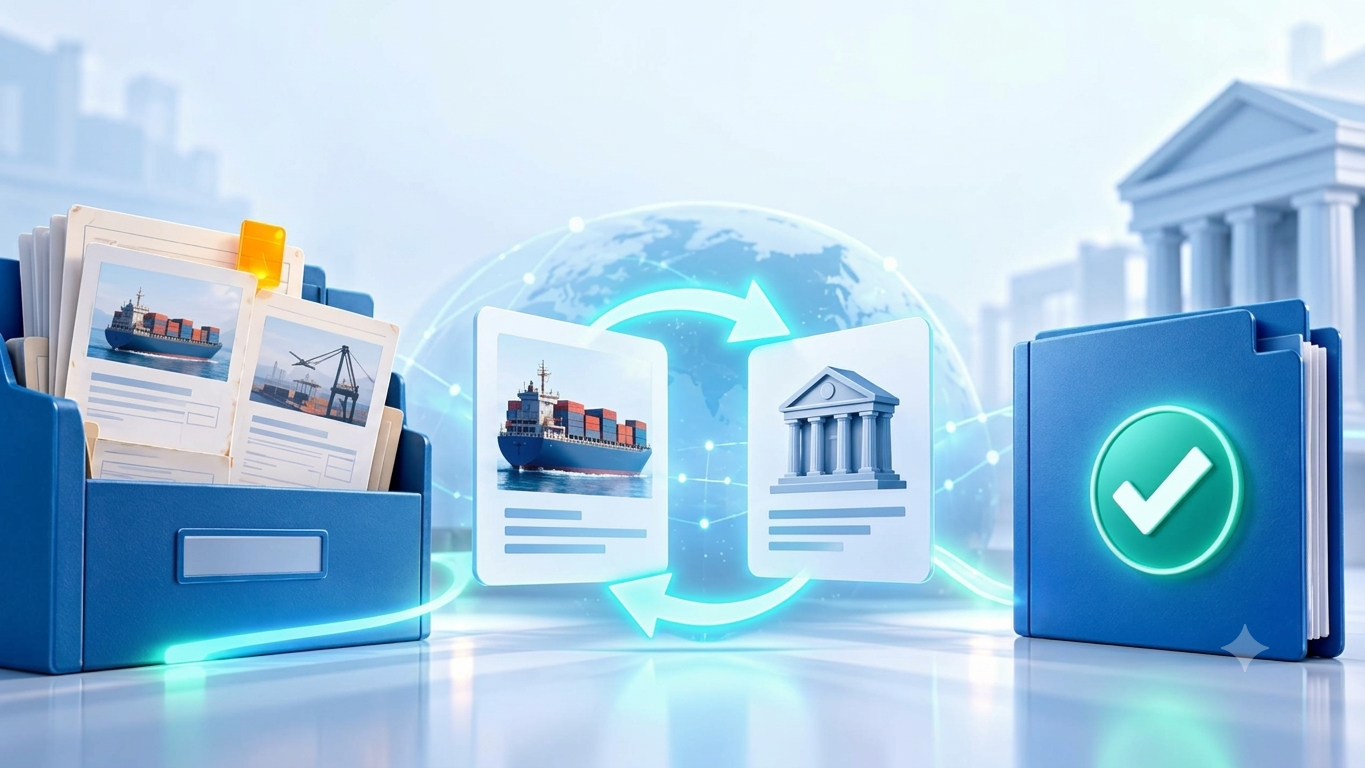
- Reconciling shipping, invoice, and banking information
- Maintaining appropriate compliance records
Each stage needs accurate information and proper coordination to minimize delays and operational risks.
Importance of Export Documentation
Documentation plays a critical role in international trade. Common export documents may include commercial invoices, packing lists, shipping documents, certificates, bank-related documents, and regulatory declarations.
Inaccurate or incomplete documentation can result in shipment delays, payment issues, reconciliation challenges, or additional compliance requirements. Businesses should therefore establish standardized documentation processes and maintain accurate records for every transaction.
Managing Cross-Border Compliance
International businesses must comply with applicable foreign exchange, trade, customs, taxation, and banking regulations. In India, exporters and importers may also need to manage requirements under the Foreign Exchange Management Act (FEMA), Directorate General of Foreign Trade (DGFT) regulations, and banking procedures.
Strong compliance processes help businesses maintain proper transaction records, respond efficiently to regulatory requirements, and reduce the possibility of errors.
The Role of Technology in Trade
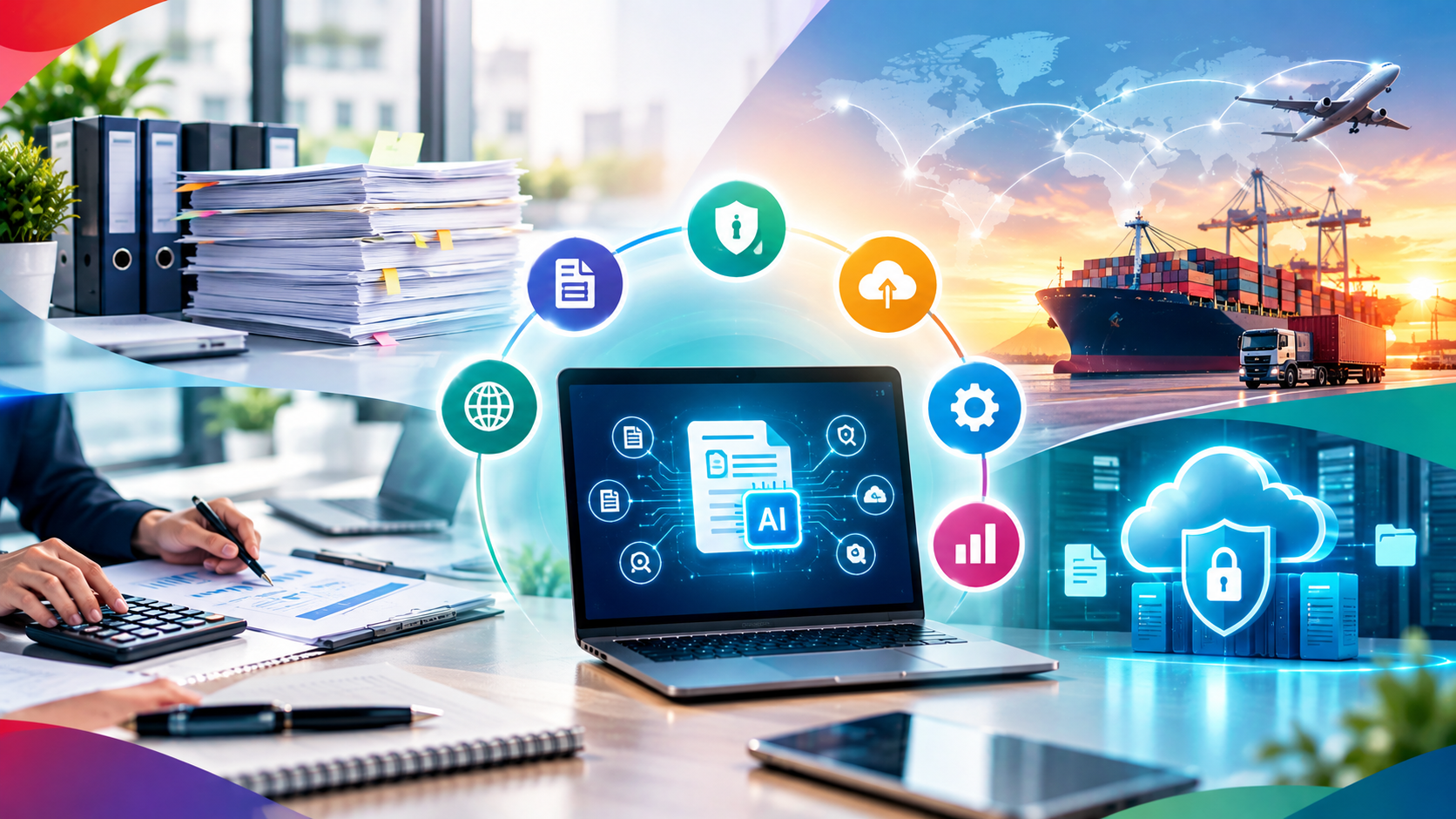
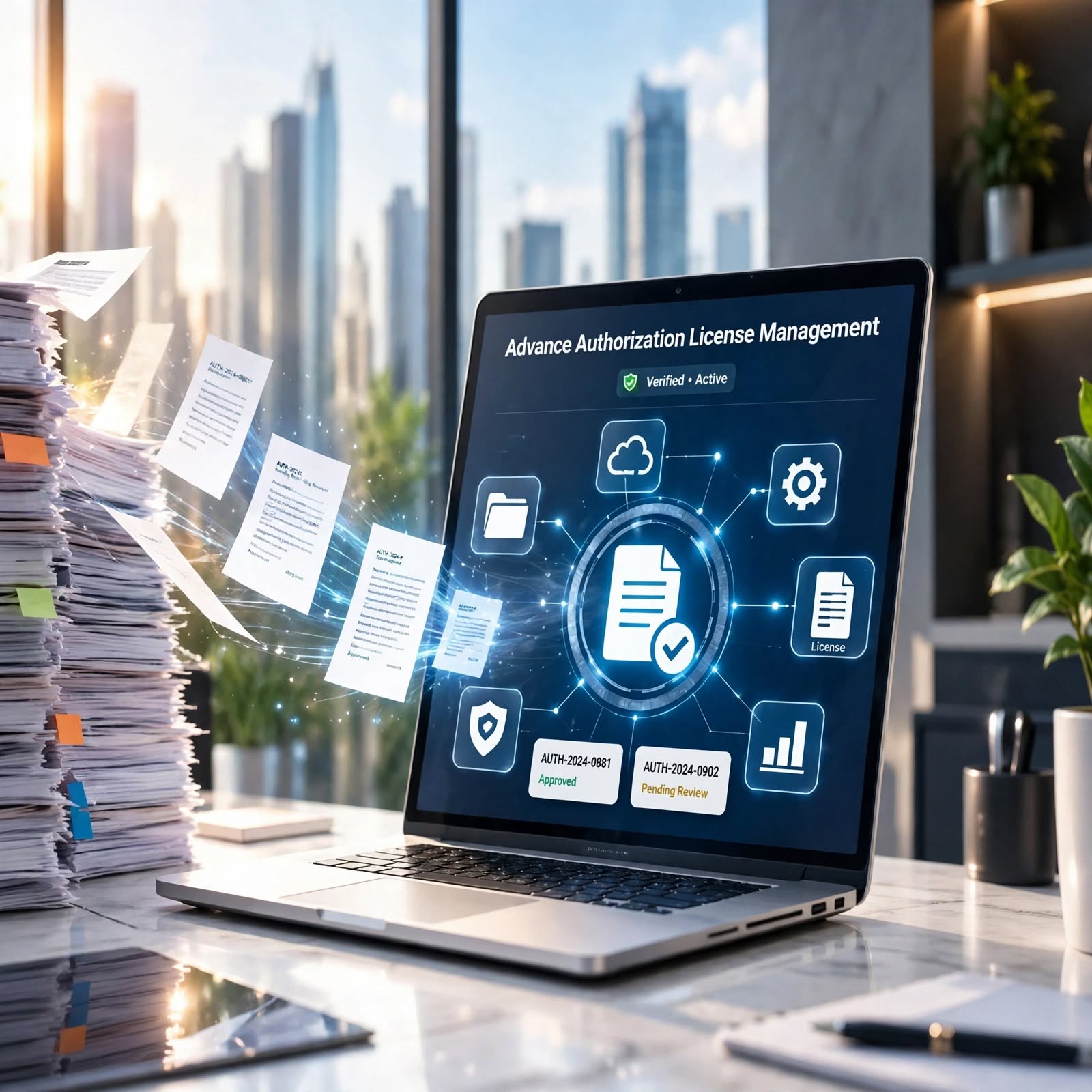
Technology is transforming traditional trade operations by reducing manual processes and improving data visibility.
Modern trade platforms can help businesses:
- Automate repetitive documentation processes
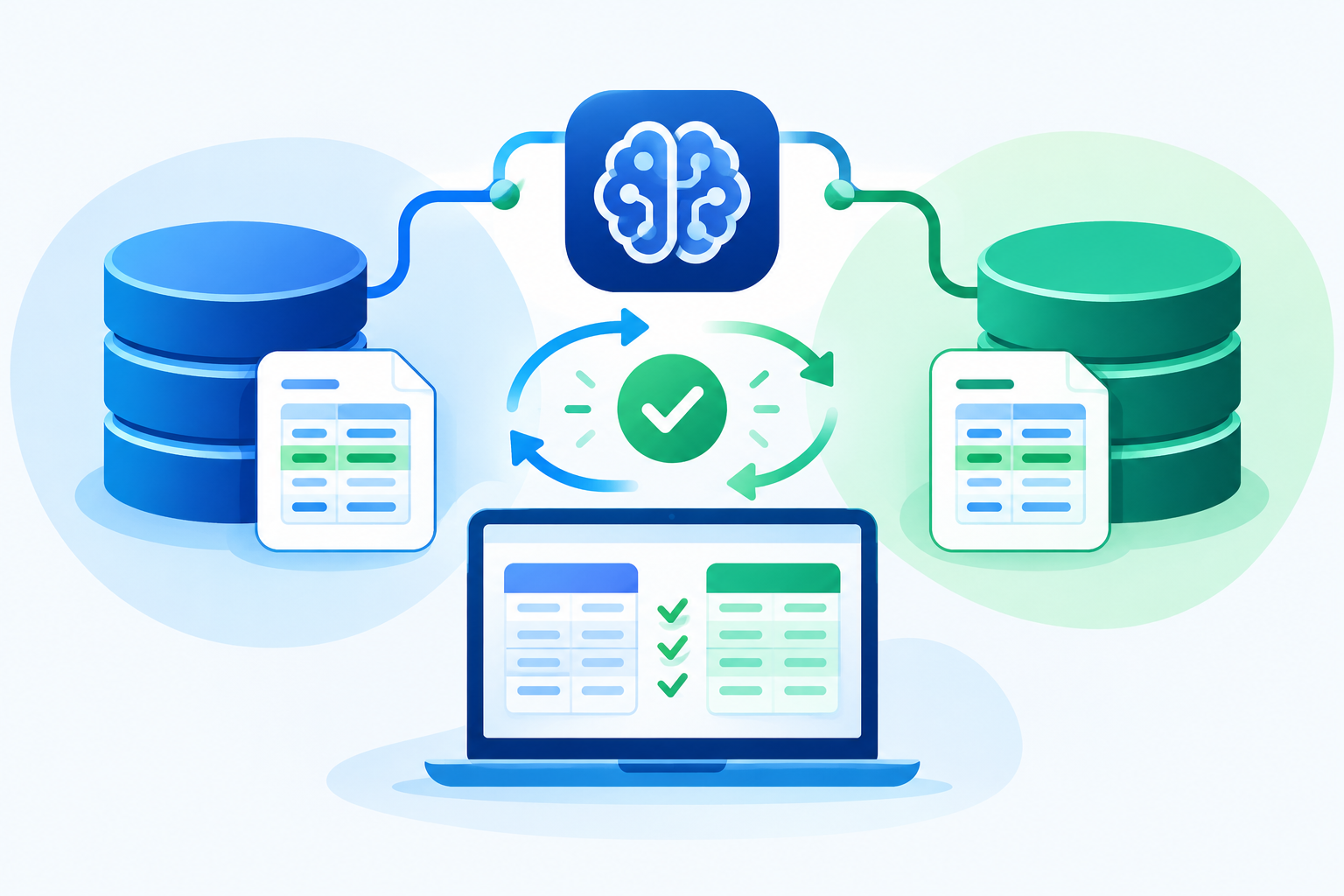
- Match invoices with shipping and banking records
- Track transaction information
- Identify data mismatches
- Simplify reconciliation
- Maintain centralized records
- Improve reporting and operational visibility
Automation can be particularly valuable when businesses manage large volumes of export transactions.
Export Payment Reconciliation
One of the important challenges for exporters is ensuring that received payments are correctly matched with the corresponding export transactions.
Differences between invoice values, shipping information, bank receipts, and transaction references can make reconciliation time-consuming when handled manually.
A structured reconciliation process helps businesses identify unmatched transactions, resolve discrepancies, and maintain accurate financial and compliance records.
Building Efficient International Trade Operations
Businesses looking to expand globally should focus on creating processes that are accurate, transparent, and scalable.
Some important practices include:
- Standardize documentation
Maintain consistent formats and processes for trade documents. - Centralize transaction data
Keep export, invoice, shipping, and payment information organized in one place. - Automate repetitive activities
Reduce manual data entry and reconciliation wherever possible. - Monitor compliance requirements
Stay updated with applicable trade and foreign exchange regulations. - Maintain audit-ready records
Keep supporting documents and transaction histories properly organized. - Use data-driven reporting
Monitor transaction status, reconciliation progress, and outstanding requirements.
The Future of Global Trade
The future of international trade will increasingly depend on digital transformation, automation, data integration, and intelligent compliance management.
Businesses that adopt technology-driven processes can improve operational efficiency while gaining better visibility into their international transactions. As trade volumes increase, digital platforms can help organizations manage complex workflows without relying entirely on manual processes.
Conclusion
Global trade offers significant opportunities for businesses, but successful international operations require careful management of documentation, payments, compliance, and reconciliation.
By combining strong processes with modern technology, businesses can simplify cross-border operations, reduce manual effort, and build more efficient and scalable trade workflows.
BharathExim helps businesses simplify international trade operations through technology-driven solutions for trade finance, FEMA compliance, export documentation, eBRC processing, reconciliation, and other cross-border requirements.